How to Build Habits That Stick
Inspiration
•
Dec 28, 2025

What Is a Habit?
A habit is a routine behavior that becomes automatic through repetition. Thanks to neuroplasticity, repeated actions strengthen neural pathways, making them easier and more instinctive—like brushing your teeth, journaling, or exercising.
Why Habit Tracking Matters
Supports Mental Well‑Being: Habits such as regular sleep, daily gratitude, and mindfulness can significantly boost mood and resilience
Reduces Stress & Builds Consistency: Seeing your progress creates accountability and emotional stability key for lasting change
3 Phases of Habit Formation
Phase 1: Commit to Change
Set intentions declare your goal to yourself or others.
Understand your “why” ensure your motivation comes from self-care, not punishment.
Define a specific goal e.g., "Cook 4 home meals per week with 3 vegetables daily" for clarity.
Phase 2: Building Habits (0 → 1)
Time Block Habits: Schedule habits with spaced notifications.
Visualize the Process: Instead of imagining a fluent you, picture practicing for 15 minutes after dinner.
Track & Reflect: Use logs, streaks, and completion stats to stay engaged.
Allow Flexibility: Missing one day isn’t failure. Mark habits as “Underachieved” without guilt and keep going.
Challenge Excuses: Notice thoughts like “I skipped because…” and remind yourself why the habit matters.
Phase 3: Making Habits Stick (1 → 100)
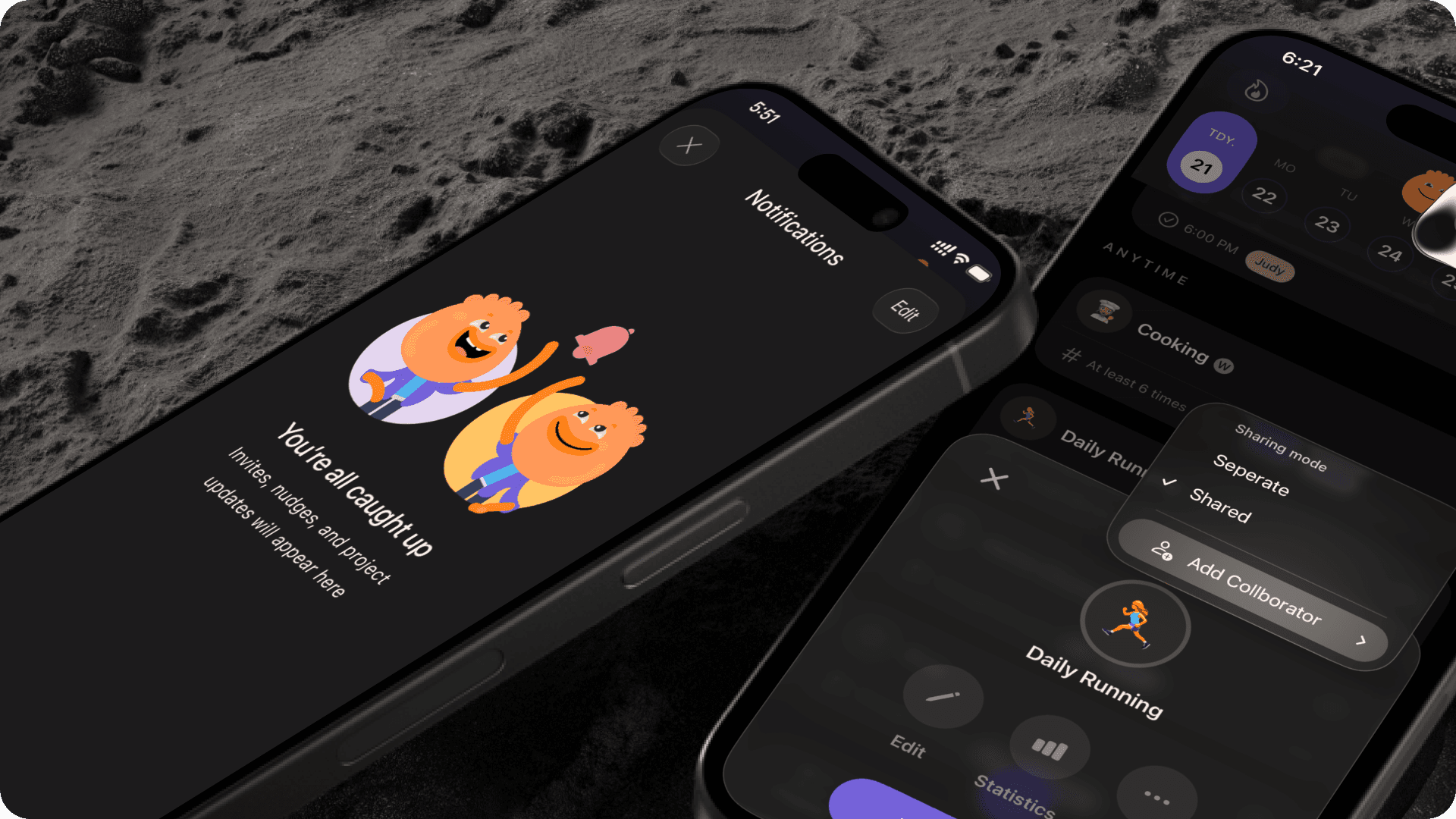
Use a Buddy System: Accountability whether from a friend or a public commitment boosts follow-through.
Reinforce with Rewards:
Instant: Small treats after a milestone.
Long-Term: Plan a celebration after sustaining the habit for 90 days.
Related insights



How to Build Habits That Stick
Inspiration
•
Dec 28, 2025
What Is a Habit?
A habit is a routine behavior that becomes automatic through repetition. Thanks to neuroplasticity, repeated actions strengthen neural pathways, making them easier and more instinctive—like brushing your teeth, journaling, or exercising.
Why Habit Tracking Matters
Supports Mental Well‑Being: Habits such as regular sleep, daily gratitude, and mindfulness can significantly boost mood and resilience
Reduces Stress & Builds Consistency: Seeing your progress creates accountability and emotional stability key for lasting change
3 Phases of Habit Formation
Phase 1: Commit to Change
Set intentions declare your goal to yourself or others.
Understand your “why” ensure your motivation comes from self-care, not punishment.
Define a specific goal e.g., "Cook 4 home meals per week with 3 vegetables daily" for clarity.
Phase 2: Building Habits (0 → 1)
Time Block Habits: Schedule habits with spaced notifications.
Visualize the Process: Instead of imagining a fluent you, picture practicing for 15 minutes after dinner.
Track & Reflect: Use logs, streaks, and completion stats to stay engaged.
Allow Flexibility: Missing one day isn’t failure. Mark habits as “Underachieved” without guilt and keep going.
Challenge Excuses: Notice thoughts like “I skipped because…” and remind yourself why the habit matters.
Phase 3: Making Habits Stick (1 → 100)
Use a Buddy System: Accountability whether from a friend or a public commitment boosts follow-through.
Reinforce with Rewards:
Instant: Small treats after a milestone.
Long-Term: Plan a celebration after sustaining the habit for 90 days.